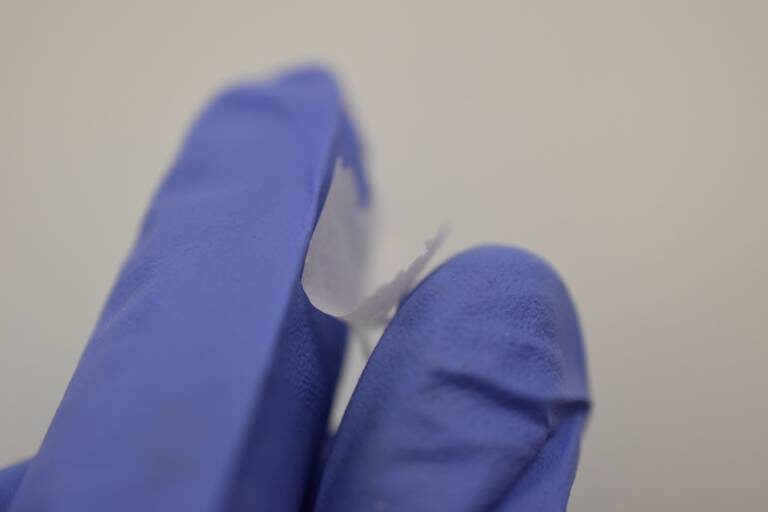
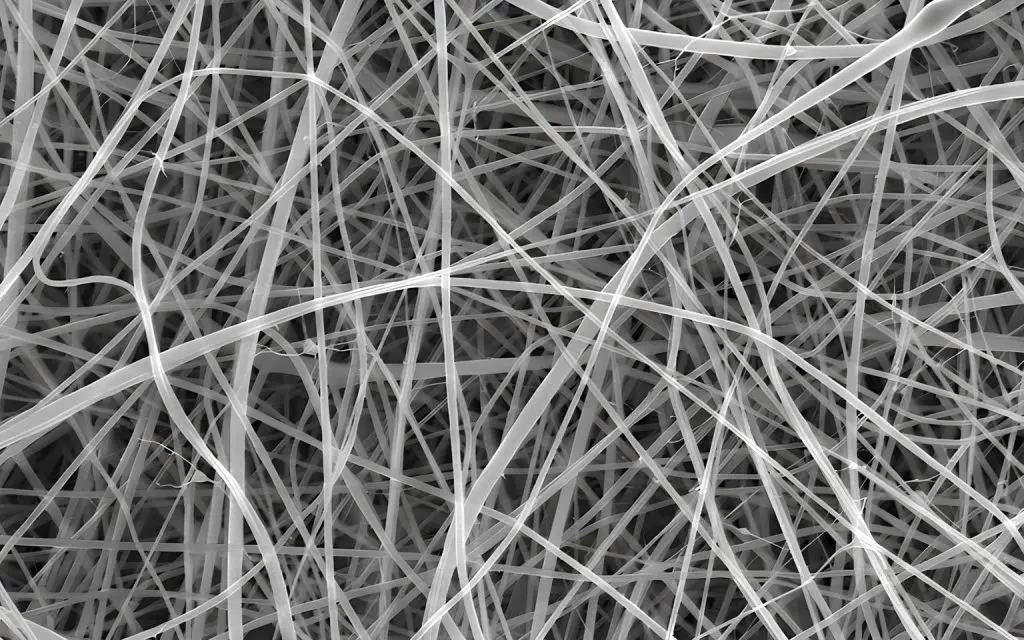
The electrospinning technique allows for the creation of ultrafine fibers using an electric charge. The process is reminiscent of making traditional spaghetti, but instead of water, the scientists used a special mixture of flour and formic acid. The acid breaks down the spiral structures of starch, allowing for the formation of incredibly thin threads that are invisible under a microscope.
The resulting nanofibers possess unique properties that could be useful in medicine. For example, they can be used to create bandages that allow moisture to pass through while blocking bacteria. The fibers can also mimic the extracellular matrix, and researchers believe they could be used for tissue regeneration, bone repair, and the development of new drug delivery methods.
Unlike traditional methods of producing nanofibers, which require significant energy expenditure and large volumes of water, the new method uses flour—a renewable and widely available material—making it an ideal raw material. The next stage of the work will be to study the characteristics of the new material: its degradation rate, interaction with cells, and possibilities for scaling up production.