
Crop rotation is a system of alternating different agricultural crops on the same plot of land. This practice has its roots in ancient agricultural civilizations, where the understanding of relationships between plants and their influence on the land was already an important aspect of farming. The application of proper crop rotation allows for the improvement of soil structure, reduction of pest and disease proliferation, and the provision of necessary nutrients to plants.
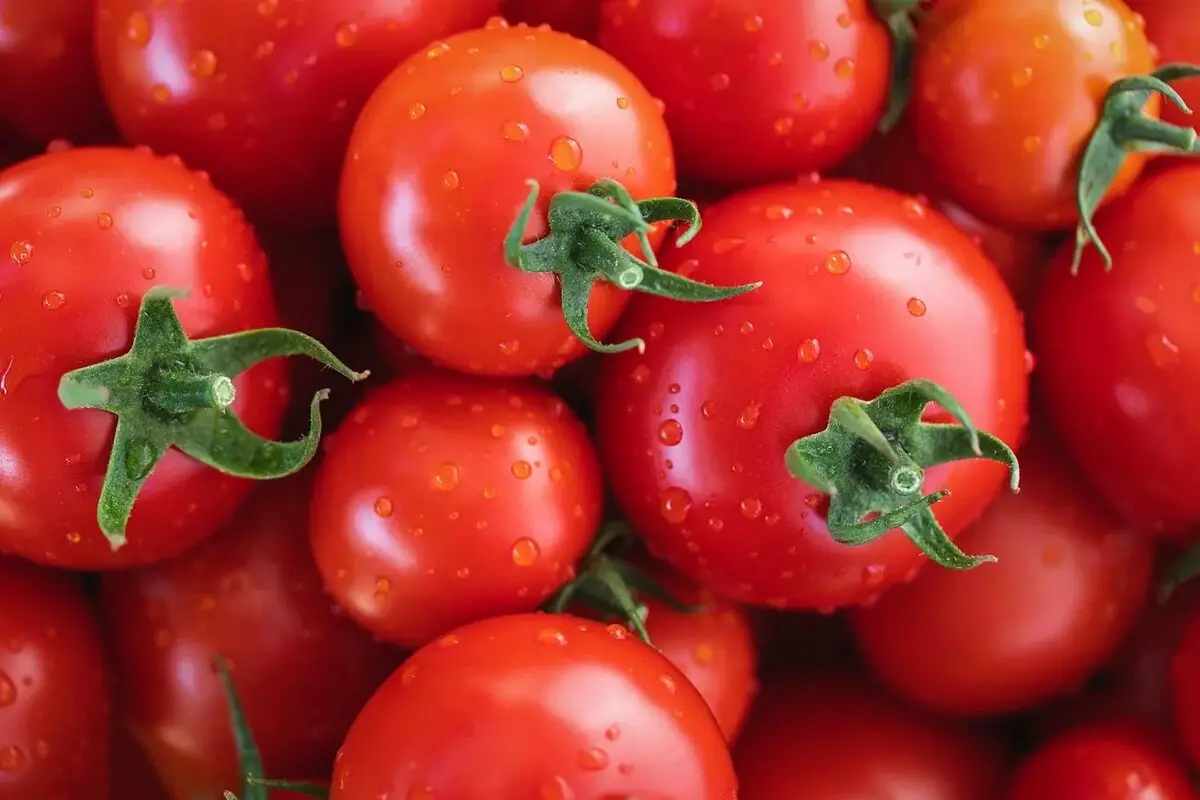
When growing tomatoes, it is worth noting that these plants consume many nutrients, particularly nitrogen, potassium, and phosphorus. Therefore, their subsequent neighbors in the plot should be able to improve the soil composition and compensate for the depletion caused by the rigorous diet of tomatoes.
Crops for rotation after tomatoes
1. Legumes
Legume plants, such as peas, beans, and chickpeas, are excellent "companions" for tomatoes. These crops can fix nitrogen from the air and enrich the soil, which is especially important after tomatoes have actively consumed this element. Additionally, legumes reduce the risk of diseases as they do not attract the same pests as tomatoes.
2. Green manures
Thus, crops like phacelia or mustard serve as a kind of "fertility barometers." These plants not only improve soil structure and humus content but also protect the plot from erosion. Their sowing before secondary use of the land will provide an ideal environment for future crops.
3. Cruciferous
Next, cruciferous crops (broccoli, cauliflower, cabbage) are well-suited for rotation after tomatoes. They have different nutrient requirements and can effectively utilize the remaining reserves in the soil. Moreover, their choice can diversify your diet and reduce the need for fertilizers.
4. Alliums
Onions and garlic are also good candidates to replace tomatoes. These crops not only have different nutritional requirements but are also capable of repelling certain pests, thereby reducing the risk of diseases associated with the previous crop. Their spicy aroma creates additional barriers against the spread of parasites.
5. Lettuce and spinach
Leafy crops like lettuce and spinach will also help improve soil structure after tomatoes. They grow quickly and take nutrients from the upper layers of soil, which are usually depleted after a large crop. However, it is worth remembering that they should be sown in the spring to have enough time to harvest before the end of summer.