
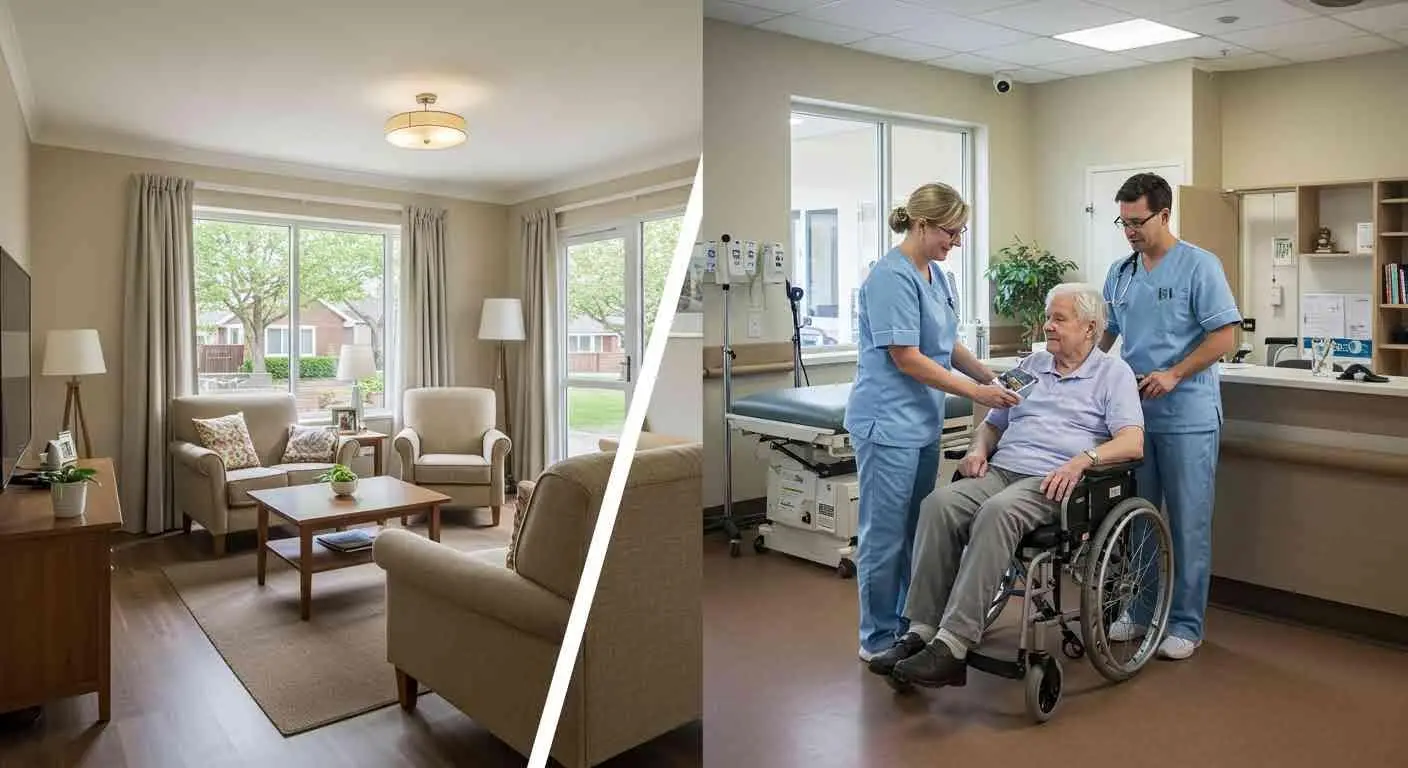
 What Are Senior Apartments in Canada and Who Are They For?
Senior apartments in Canada are residential communities designed specifically for older adults, usually aged 55 or 60 and above. These apartments focus on independent living while offering optional services that support daily comfort and safety.
Most senior apartments include private units, barrier-free designs, emergency call systems, and access to shared amenities such as lounges, fitness rooms, and organized social activities. Residents typically manage their own daily routines, meals, and healthcare, with the option to add paid services as needed.
Senior apartments are best suited for seniors who are largely independent, socially active, and looking to downsize without sacrificing autonomy.
How Senior Apartments Differ from Long-Term Care (LTC) Facilities
While senior apartments emphasize independence, long-term care (LTC) facilities in Canada are intended for seniors with significant medical or personal care needs. LTC homes provide 24/7 nursing care, assistance with daily activities, and structured medical supervision.
A key distinction is that senior apartments are privately paid, while LTC homes are heavily regulated and subsidized by provincial governments. Admission to LTC often requires a formal health assessment and can involve long waiting lists.
In contrast, senior apartments allow faster move-in and greater lifestyle flexibility, but they do not provide intensive medical care.
Cost Comparison: Senior Apartments vs Long-Term Care in Canada
Cost is one of the most important factors when comparing senior apartments and LTC options.
| Category | Senior Apartments | Long-Term Care (LTC) |
|---|---|---|
| Monthly Cost | CAD $2,000–$5,000+ | CAD $1,900–$2,800 |
| Payment Type | Fully private pay | Government-subsidized |
| Medical Care | Not included | Included |
| Waiting List | Usually short | Often long |
Senior apartments tend to cost more out of pocket but offer lifestyle freedom, while LTC is more affordable due to subsidies but has limited availability.
Level of Care and Daily Support in Senior Apartments
Senior apartments provide a low to moderate level of support. Common optional services include housekeeping, meal plans, transportation, and wellness programs. However, residents are generally responsible for arranging their own medical care, such as home care nurses or personal support workers.
This model allows seniors to maintain control over their care decisions, making senior apartments appealing to those who value independence and privacy.
LTC facilities, on the other hand, are structured environments where care plans are standardized and medical needs take priority over lifestyle preferences.
Lifestyle and Independence: Why Senior Apartments Appeal to Active Seniors
One major advantage of senior apartments is lifestyle flexibility. Residents choose how they spend their time, decorate their homes, and participate in community activities voluntarily.
In comparison, LTC facilities often follow strict schedules for meals, medication, and daily routines. While this structure is essential for high-needs residents, it may feel restrictive to seniors who are still physically and cognitively independent.
For many Canadian seniors, senior apartments represent a middle ground between aging at home and entering institutional care.
How to Choose Between Senior Apartments and LTC in Canada
Choosing between senior apartments and LTC depends on several factors:
- Current and expected health condition
- Level of independence
- Budget and financial planning
- Availability of family support
- Willingness to wait for LTC placement
If a senior can live independently with minimal support, senior apartments are often the preferred option. LTC becomes more appropriate when medical supervision and daily personal care are essential.
Conclusion: Senior Apartments or LTC—Planning Ahead Matters
Senior apartments and long-term care serve different but equally important roles in Canada’s senior housing system. Senior apartments prioritize independence, lifestyle choice, and flexibility, while LTC focuses on medical care and safety for seniors with complex needs.
Understanding these differences early allows families to plan proactively, reduce stress, and choose housing that aligns with long-term aging goals.
Reference Links
https://www.canada.ca
https://www.cmhc-schl.gc.ca
https://www.ontario.ca/page/long-term-care-ontario